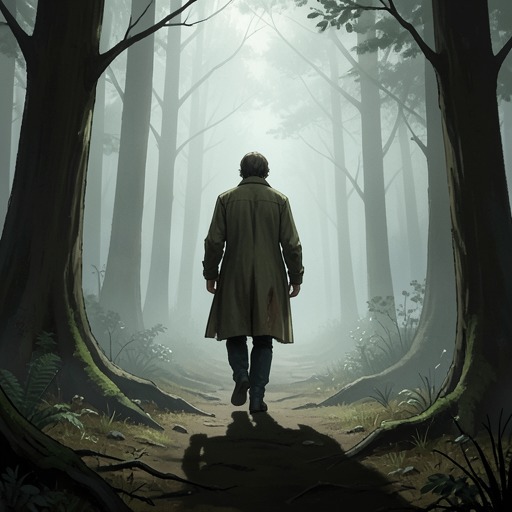
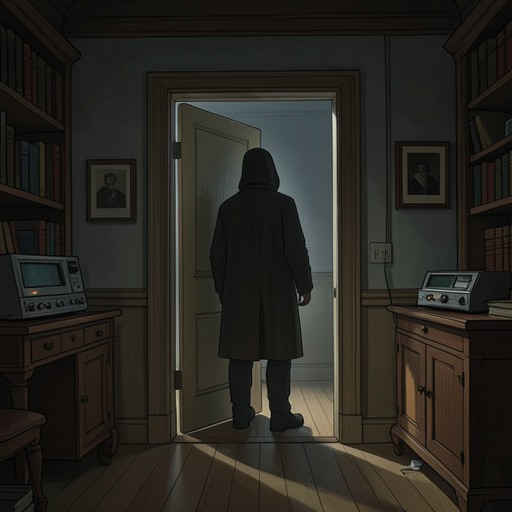
Death changes life into Destiny
Being and Nothingness“Death changes life into Destiny” names the decisive transformation by which a life still open to revision becomes a completed past. The expression captures a central contrast: the living person must continually take up and sustain what they have been, whereas death ends that freedom and leaves the person fixed within the totality of their past.
The Meaning of “Was”
The discussion begins with “was,” a tense that belongs wholly neither to the present nor to the past. It marks an ontological passage between them: the past is not simply an object a person possesses, but a mode of being with which the person remains identified. A remark about yesterday’s act or former mood can still hurt or flatter because the person does not stand apart from that past.
A living person may claim to have changed, to be no longer what they were. But such dissociation is a secondary response, not an escape from the underlying bond. To deny solidarity with one particular part of the past is still to affirm a relation to the life as a whole. The past remains theirs, even as they try to reinterpret it.
Death and Destiny
The expression “Death changes life into Destiny,” attributed in the passage to André Malraux, describes what happens when that possibility of further response ends. At death, the person can no longer alter the life’s course or answer its accumulated record through new action. The past alone defines them, and others are left able to judge what the person was without the possibility of further escape or revision.
The passage compares this finality to the terror of a believer who realizes that, at death, no card remains to play. Even last-hour repentance cannot break apart the being that has gradually congealed around a life. Death itself joins the totality as one determination among others; it does not erase what preceded it. The life becomes destiny because its past is now complete and fixed.
The Living Person’s Responsibility
The contrast does not mean that the living are already identical to a finished past. So long as a person lives, they have to be what they have been: they reassume that past at each instant and sustain it in the present. This is why a grievance against a living person differs from one directed at the dead. It reproaches not only what the person did, but the living person’s continuing responsibility for taking that past up as their own.
A grudge ordinarily ceases with the other person’s death. The dead remain their past without being responsible for it in the way the living are; the living remain free in how they sustain what they have been. The expression therefore marks not merely the end of biological life but the end of this active relation between past and present: death fixes the life as a whole, while life remains the condition under which that past can still be assumed and answered.